Puppy Crate Training: Handle Crying Without “Cry It Out”
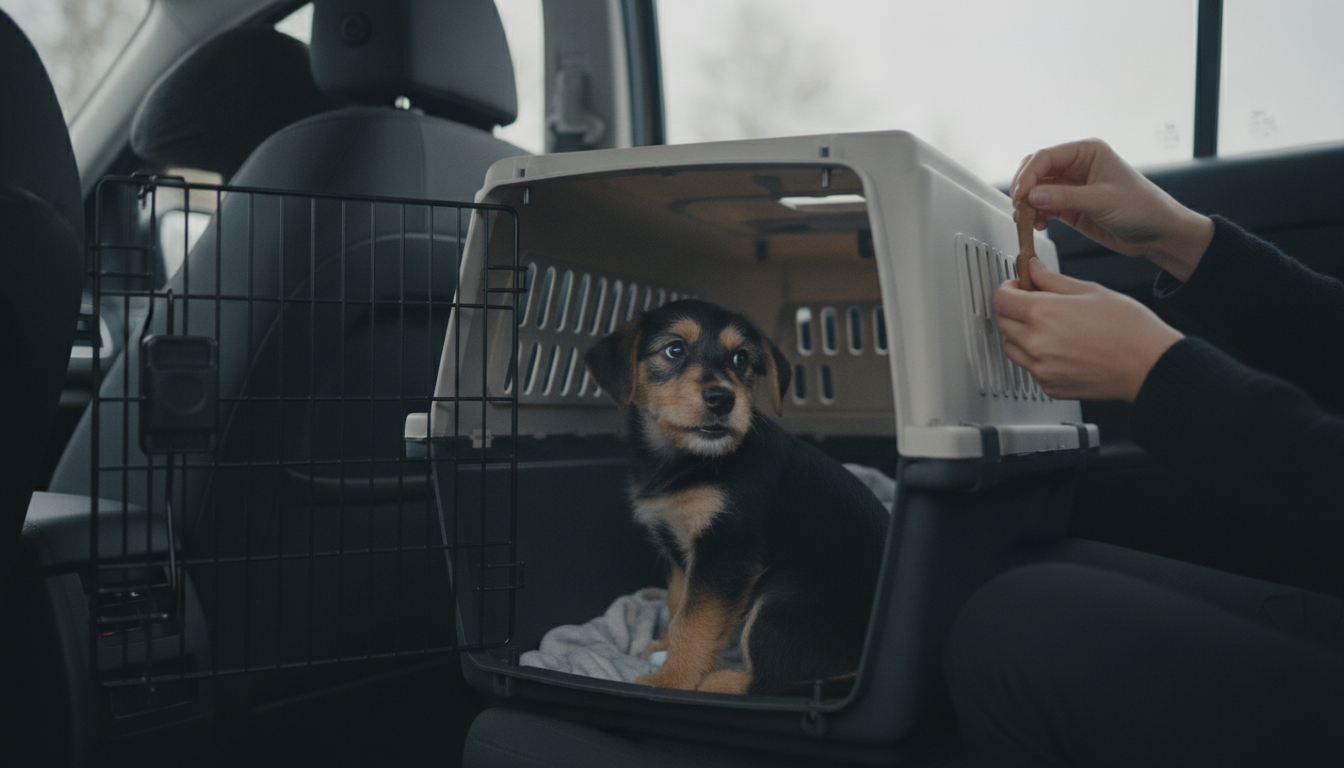
Do I just let my puppy cry while I am crate training her?
No—don’t ignore crying as a default strategy. Some vocalizing is normal during the adjustment period, but the goal is to teach your puppy that the crate is safe, predictable, and rewarding, not that crying is the only way to get attention or that no one will respond.
How to tell normal protest from a real need
If your puppy has just pottied, had water, had age-appropriate exercise, and has been calmly placed in the crate with a treat or chew, brief whining is often frustration or “I’d rather be with you.” In that case, wait for a moment of quiet before offering calm reassurance. If the crying escalates into panicked barking, drooling, frantic scratching, or she can’t settle after several minutes, she may be over-threshold and needs the training made easier.
What to do instead of “cry it out”
Start by making the crate a positive hangout when she’s awake: toss treats in, feed meals near or inside the crate, and let her enter freely. Use short, frequent sessions—30 seconds to a few minutes—then gradually increase the time. At bedtime, placing the crate near your bed can help; many puppies settle faster when they can smell and hear you.
If she cries, keep your response boring and consistent. Avoid letting her out while she’s actively screaming; instead, wait for a brief pause, then take her out for a quick potty break (no play, no cuddling party), and return her to the crate. This helps her learn that quiet brings good outcomes, while crying doesn’t become a “release button.”
Common mistakes that make crying worse
Too much time in the crate too soon, using the crate only for confinement, and putting an under-exercised puppy away with lots of energy can all trigger longer crying spells. Another big one is inconsistency—sometimes letting her out immediately, other times waiting—because that can actually increase crying as she tries harder to get the response that worked before.
For a step-by-step approach, gentle timelines, and troubleshooting, read the full guide here: Do I just let my puppy cry while I am crate training her?.
FAQ
How long should I wait before letting my puppy out of the crate at night?
Wait for a brief pause in crying, then take her out for a quick potty break and place her right back in the crate. If she’s very young, plan proactive potty trips so she doesn’t have to cry to be heard.











Leave a comment